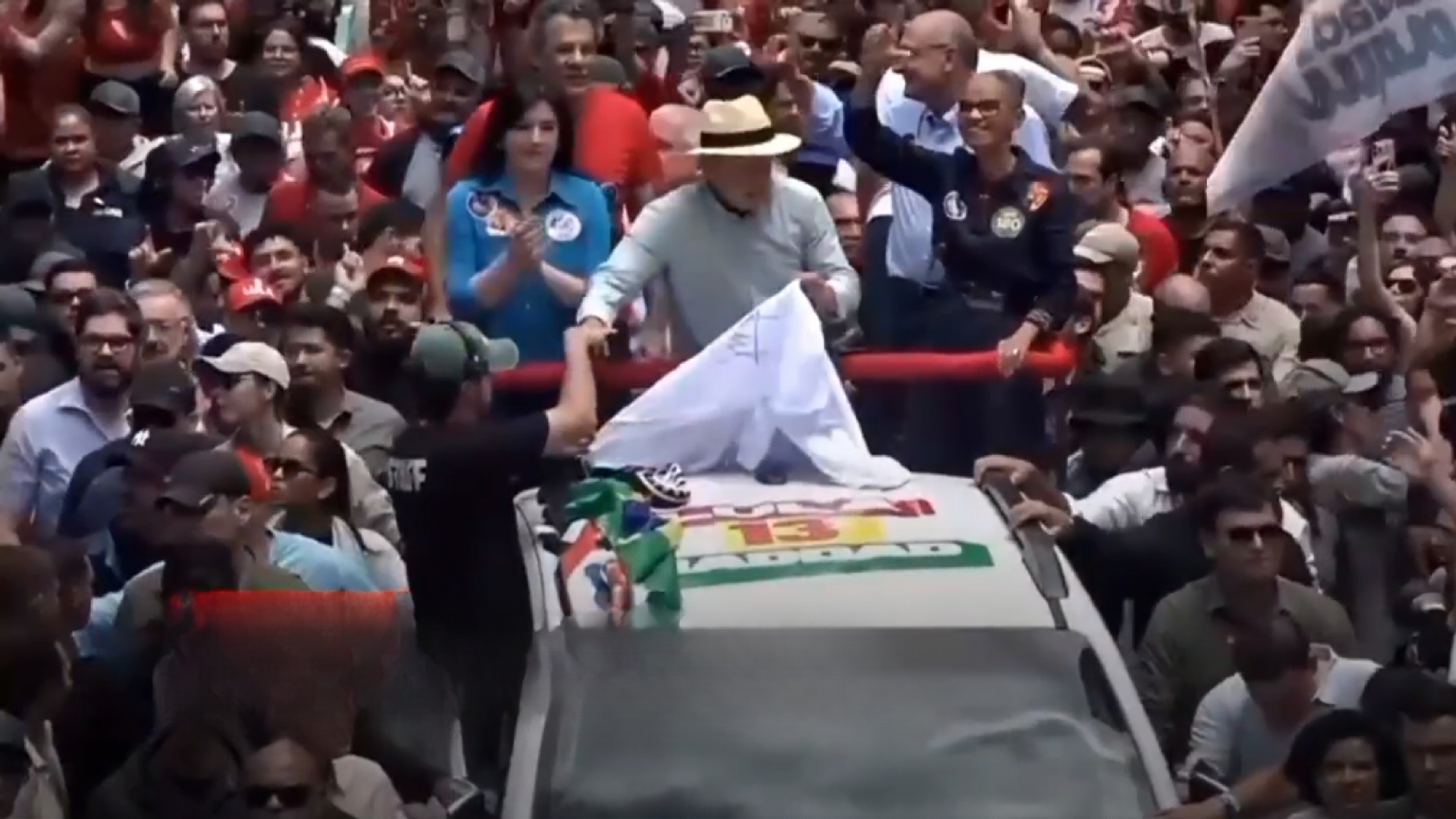
Brazilians are voting today in the first round of the country's 2026 presidential election, with incumbent President Luiz Inácio Lula da Silva facing Senator Flávio Bolsonaro, the son of former president Jair Bolsonaro.
Lula, 80, is seeking a fourth non-consecutive term in office. Flávio Bolsonaro, 45, is attempting to bring his family's right-wing political movement back to the presidency.
The election is taking place against a backdrop of political polarisation, concerns over the cost of living and public security, and disputes over Brazil's relationship with the United States.
Brazil's electoral authority says more than 155 million voters are eligible to participate in the general election. Voters are also choosing governors, senators and members of the Chamber of Deputies and state legislatures.
The contest has also been shaped by the political legacy of Jair Bolsonaro, who is currently serving a prison sentence following his conviction over a plot to overturn the result of the 2022 election. Flávio Bolsonaro has said he would seek an amnesty for his father if elected.
Economic concerns are another major issue. Reuters reports that voters are dealing with high living costs and household debt, while Brazil's public debt has risen above 82% of GDP. Lula has emphasised social programmes and state-led economic policies, while Flávio Bolsonaro has advocated spending reductions, privatisation and a more market-oriented approach.
The election also carries wider international significance. Flávio Bolsonaro has close ties to US President Donald Trump, while Lula has accused Washington of attempting to influence Brazil's election. The US government has rejected those allegations.
If no presidential candidate receives more than half of the valid votes, Brazil will hold a second-round election on October 25 between the two leading candidates.
The result will determine the direction of Latin America's largest democracy for the next four years, while the congressional elections taking place alongside the presidential vote will also shape the balance of political power in Brasília.