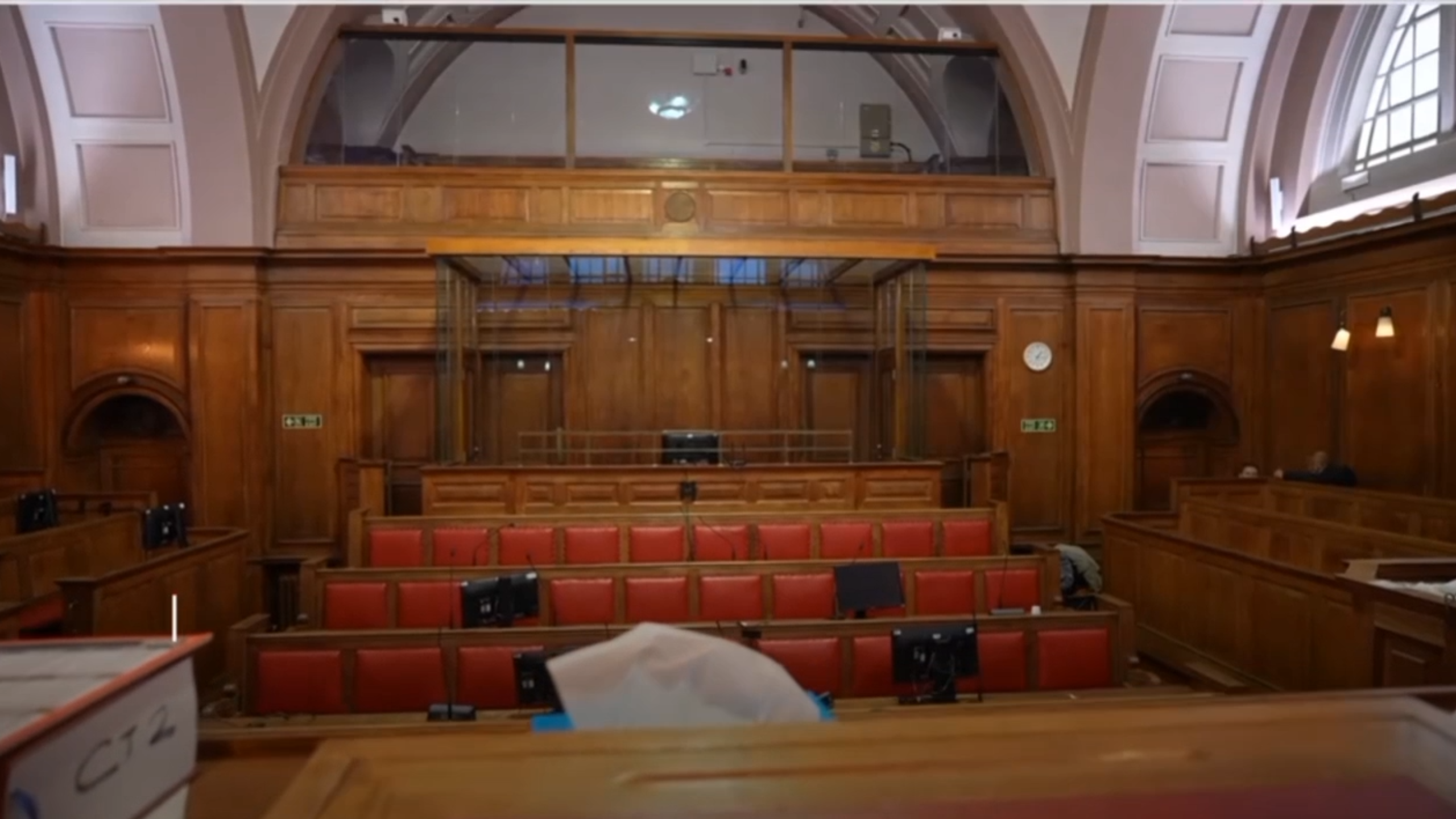
The UK government has dropped controversial plans that would have significantly reduced the use of jury trials in criminal cases across England and Wales.
The proposals, developed under the previous government, were intended to tackle the growing backlog in the Crown Courts by allowing judges to hear some cases without a jury.
Under the original plan, defendants facing certain offences that were expected to result in sentences of less than three years could have lost their right to a jury trial. The proposals attracted strong criticism from legal professionals and others who argued that jury trials are an important safeguard within the justice system.
Justice Secretary Alex Norris said the government had listened to the strength of feeling surrounding the proposals and decided to change direction.
The government says the Crown Court backlog has reached almost 81,000 cases, with many victims and defendants facing lengthy waits before their cases are heard.
However, the government is not abandoning all judge-only trials. Complex and lengthy fraud and financial cases will still be eligible to be heard by a judge without a jury, partly because such trials can last for months and place significant demands on jurors.
Other parts of the reforms will also continue. Defendants accused of certain “either-way” offences will no longer have the final choice over whether their case goes before a jury in the Crown Court or is dealt with by magistrates.
Magistrates are also set to receive greater sentencing powers, allowing them to deal with more cases without sending them to the Crown Court.
The announcement has been welcomed by several legal organisations, although concerns remain about placing additional pressure on magistrates' courts, which are themselves dealing with growing backlogs.
The government says it will instead accelerate other measures to improve the courts, including greater use of technology, virtual hearings and AI-assisted case listing, alongside investment in the justice system.
The changes are due to be incorporated into the Courts and Tribunals Bill, which is expected to return to Parliament later in October.