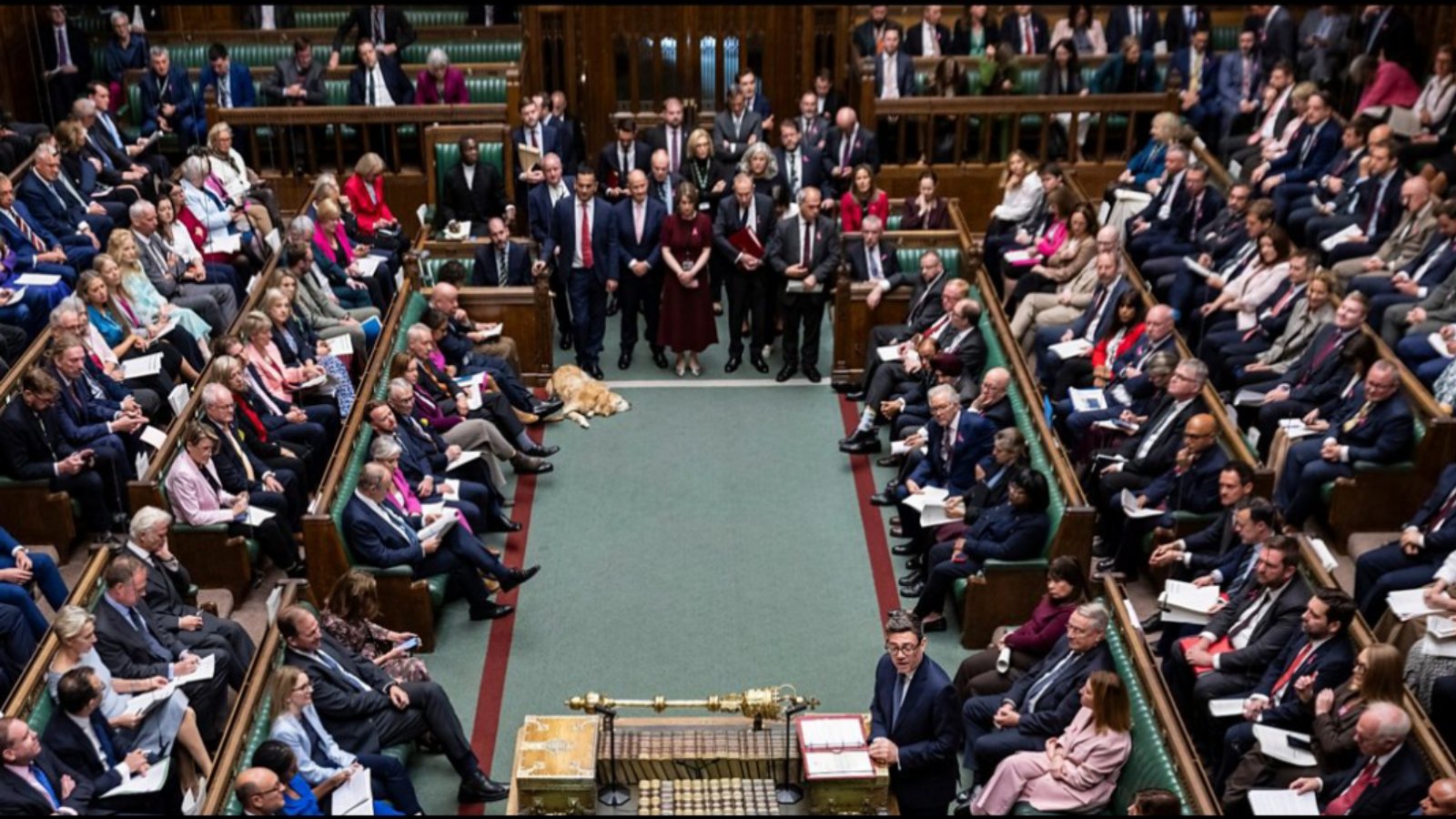
Members of Parliament are due to debate a petition calling for changes to the way courts reduce sentences when defendants plead guilty late in cases involving controlling or coercive behaviour.
The debate is scheduled for Monday, 19 October 2026, in Westminster Hall. It follows a public petition that has attracted more than 105,000 signatures and calls for legislation to prevent defendants from receiving a sentencing reduction if they initially plead not guilty before changing their plea later in the process.
The petition was created by Paris Shears and calls for the proposed legal change to be known as “Paris’s Law”. Shears has said that a late change of plea can prolong the distress experienced by victims, particularly when they have spent months preparing for a trial.
Under current sentencing guidelines in England and Wales, defendants can receive a reduction for pleading guilty. The size of the reduction depends on when the plea is entered. A guilty plea at the earliest stage can attract a reduction of up to one third, while a plea entered on the first day of trial generally attracts a much smaller reduction, of up to one tenth. The reduction may be lower still if the plea is entered after the trial has begun.
The Government has previously argued that even a late guilty plea can spare victims and witnesses from giving potentially traumatic evidence in court. It says the existing system reflects the benefits of avoiding a trial while providing a substantially smaller reduction for pleas made later.
Irene Campbell MP, a member of Parliament’s Petitions Committee, is scheduled to open the debate. MPs from different parties will be able to contribute, and a Government minister is expected to respond.
The debate will give MPs an opportunity to examine the petition’s arguments and question the Government about its position. However, petition debates do not automatically change the law, and MPs are not expected to vote directly on whether to implement the proposal at the end of the discussion.
The petition is due to close on 21 October 2026. The Government has also committed to updating its statutory guidance on controlling or coercive behaviour by the end of the year.